
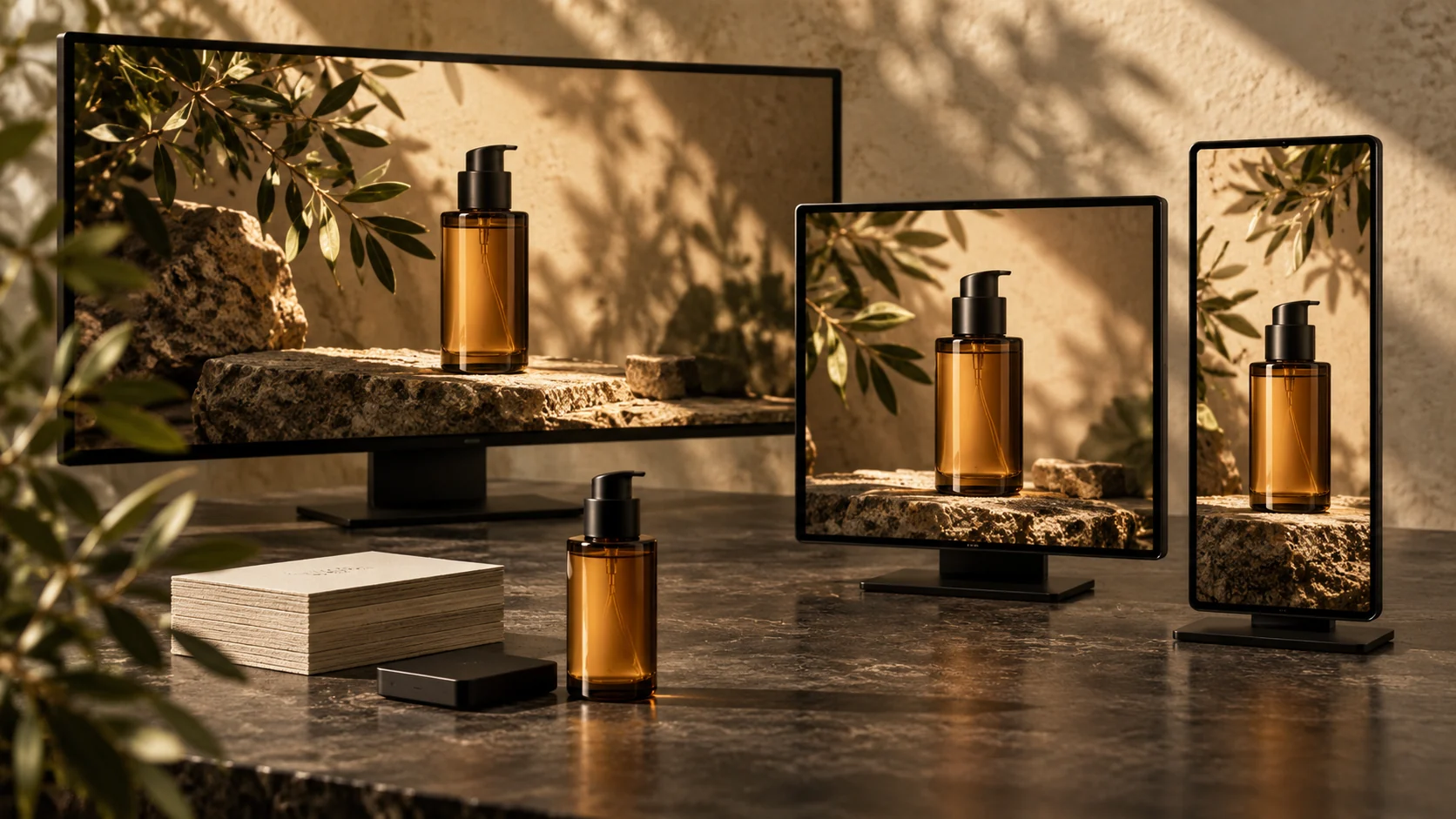
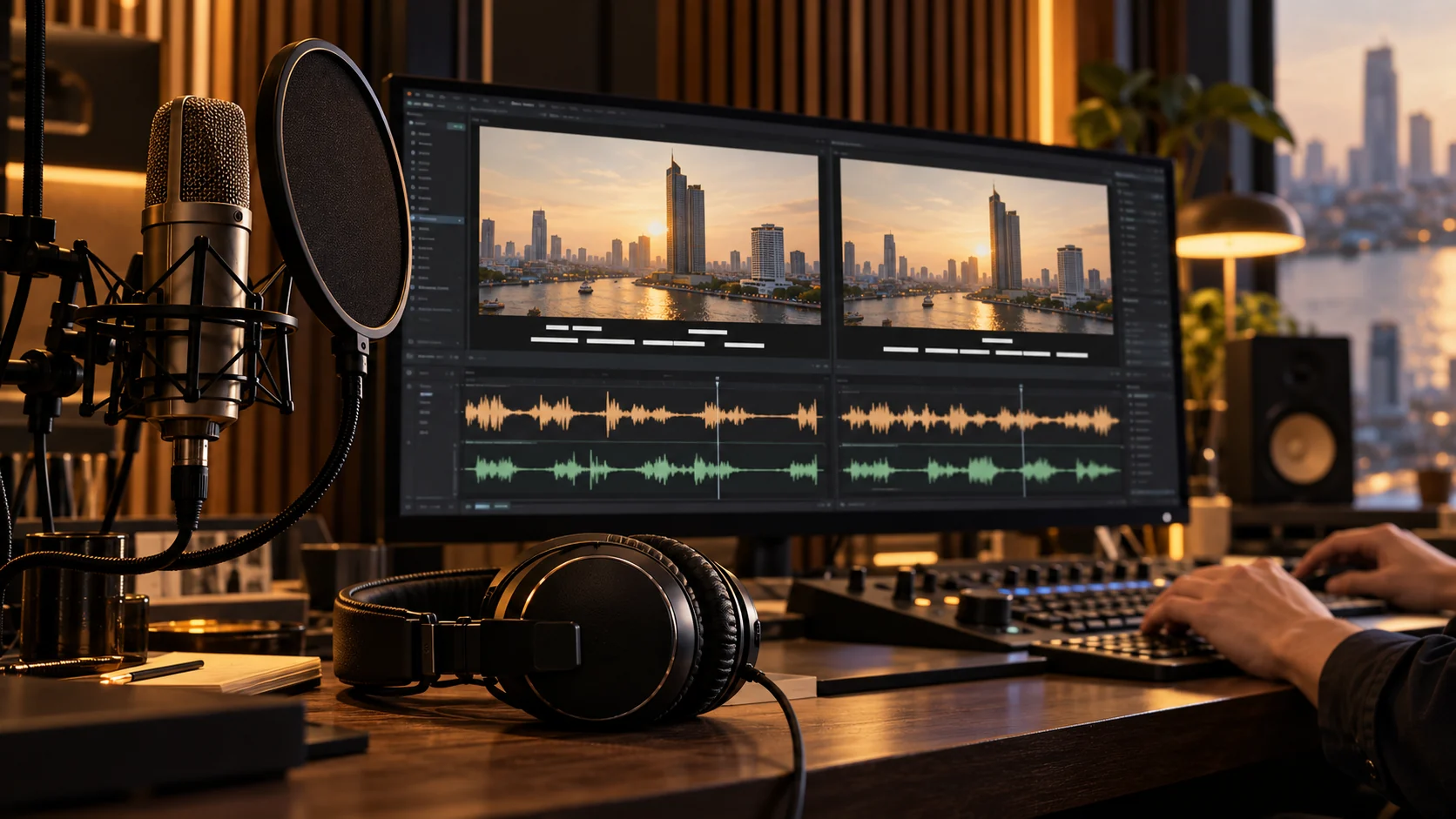



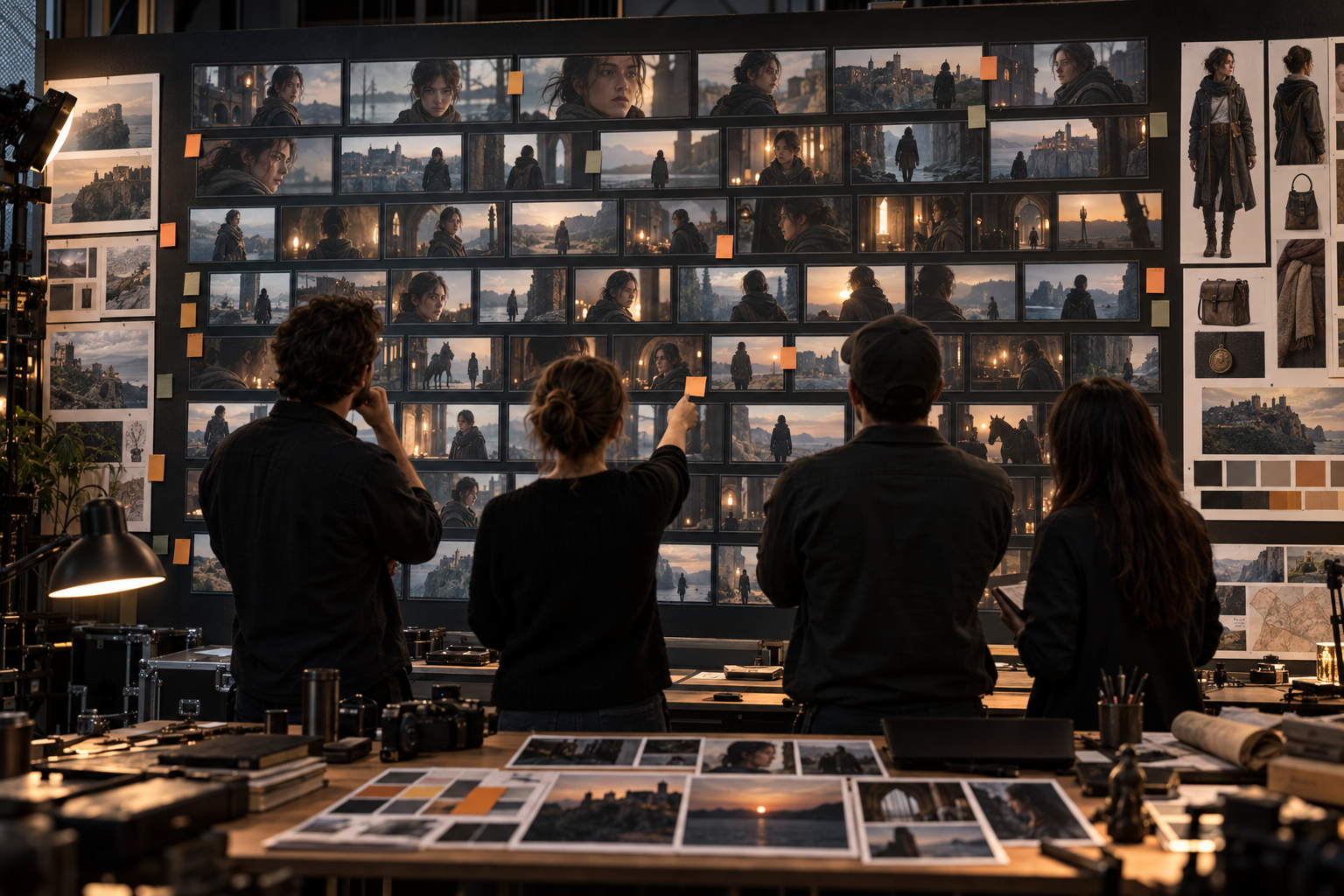
A campaign rarely needs only one video. Brands need a hero film, short cut-downs, vertical edits, product moments, stills and platform-specific versions. Producing each asset as a separate project creates repeated decisions, inconsistent visuals and unnecessary cost.
AI content production is most valuable when the campaign is designed as a system from the beginning. One approved visual world can support a series of connected outputs without losing the idea that made the hero film distinctive.
Start with a campaign architecture
Before generating shots, define the role of every deliverable. The hero film carries the full story. Short edits communicate one benefit or emotional beat. Vertical versions need compositions that work on a narrow screen. Stills should be planned for media placements, thumbnails and key visuals.
Build reusable visual assets
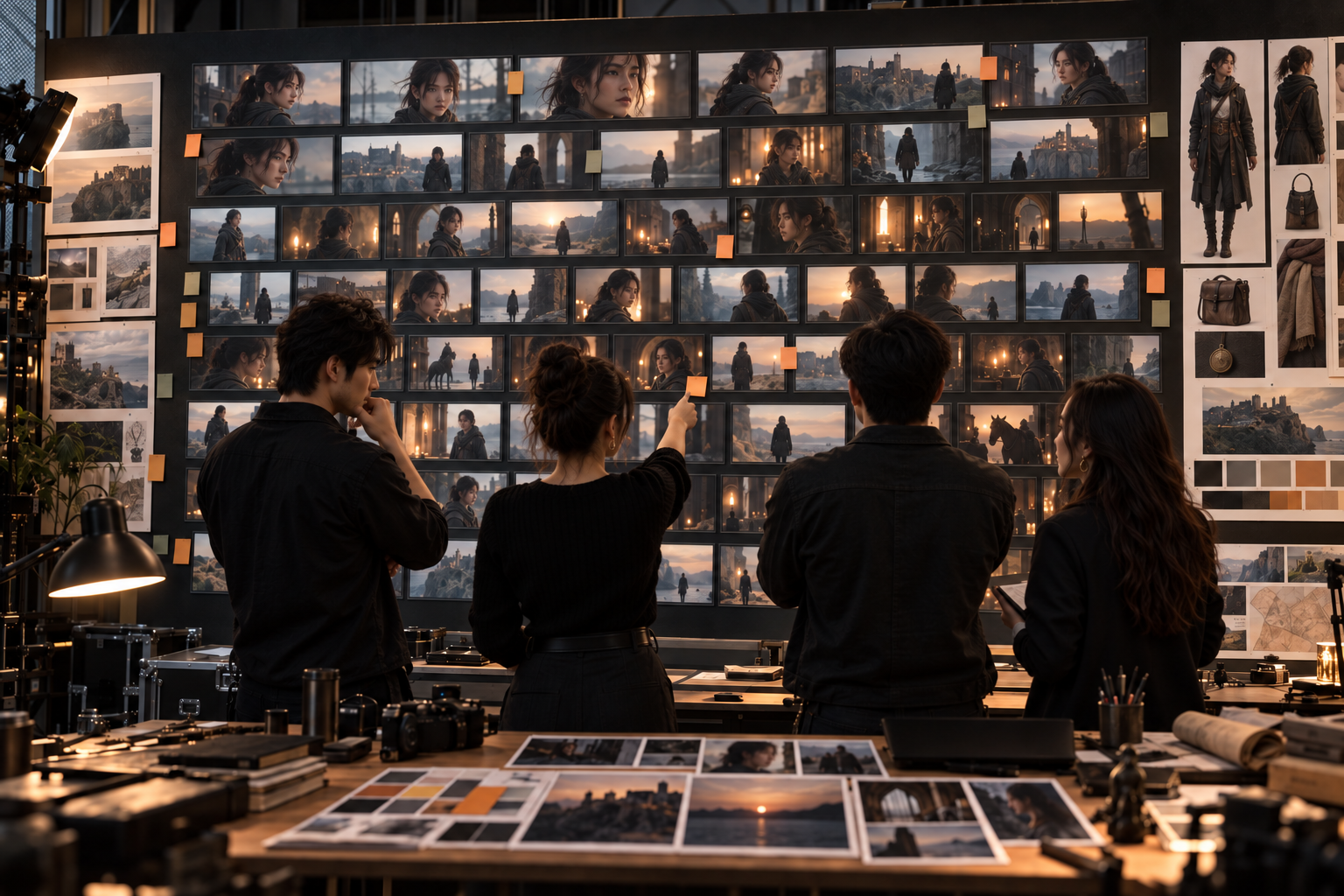
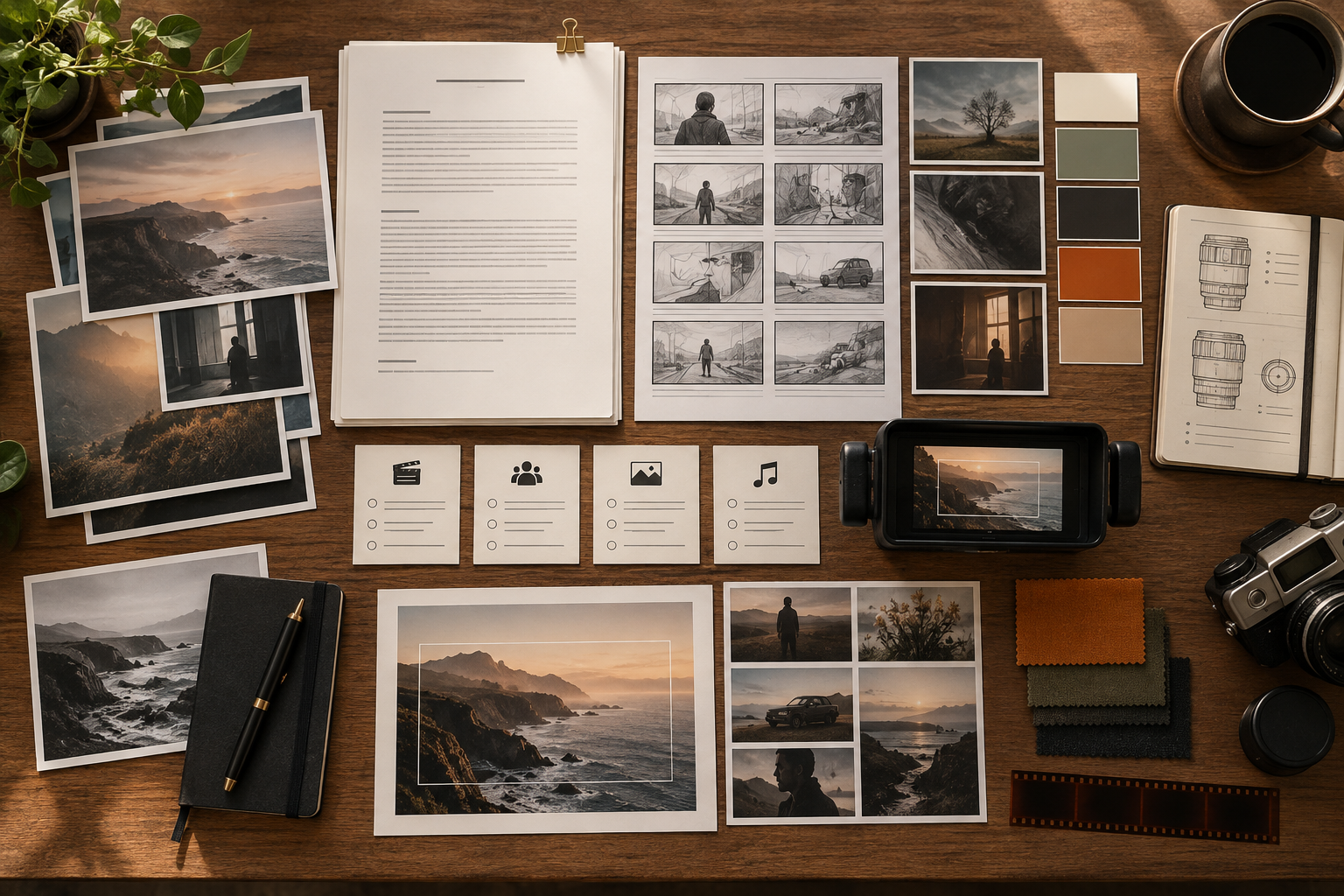
Character locks, product references, environment rules and lighting systems should be created for reuse. The production team can then return to the same approved world instead of rebuilding identity from zero. This is what makes scale possible without turning the campaign into a collection of unrelated images.
Design shots for more than one format
Some scenes should be composed with safe areas for 16:9, 9:16 and 1:1. Others may need dedicated framing. Planning this early is more effective than cropping a finished landscape film and hoping the important action remains visible. The shot list should identify which moments are universal and which need alternate builds.
Keep approvals centralised
A content series can create more feedback, so the source of truth matters. Approve the core character, product, environments and hero frames first. Then review variations against those locks. This allows the team to make many assets while preserving quality and brand consistency.
Measure value across the full asset family
The budget should be evaluated against the complete set of usable outputs, not only the master runtime. A well-planned system can create a stronger hero film and make short-form content more efficient because the visual development has already been approved.
Browse our selected work to see how one visual idea can support multiple frames and formats.